
In retail environments where thousands of stores operate across diverse communities, traditional pricing models fail to capture the full revenue potential of hyperlocal demand. When income levels, competitive intensity, and consumer preferences vary dramatically from one neighborhood to the next, a one-size-fits-all approach inflates missed opportunities and erodes margins. For retailers operating vast convenience store networks in large metropolitan areas, embracing AI-powered hyperlocal pricing can unlock significant revenue and competitive advantage.
Why Traditional Pricing Falls Short
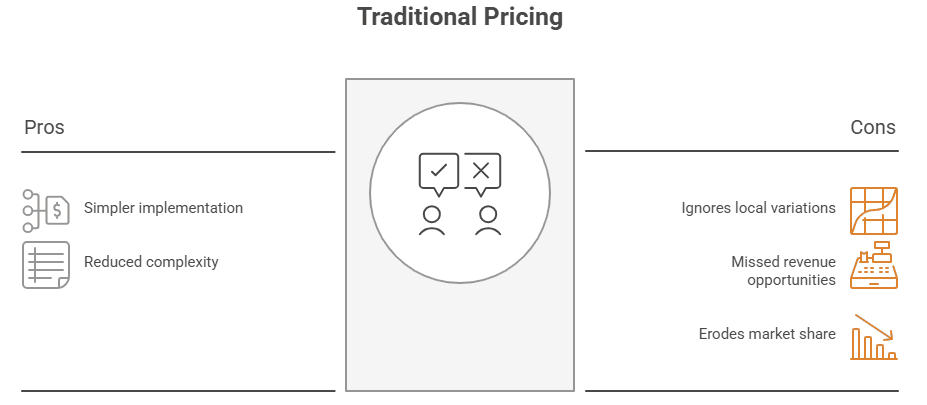
Figure 1: The limits of traditional zonal pricing
*Figure 1: Traditional Pricing
Large convenience store networks often rely on broad pricing zones — typically 5 to 10 defined regions — to adjust prices across hundreds or even thousands of outlets. While better than national uniform pricing, this strategy still assumes homogeneity within each zone. In reality, income levels, shopper behavior, and competitive environments vary far more granularly.
In Mexico City, for example, average household income in affluent areas such as Polanco can be 10 times higher than in lower-income boroughs like Iztapalapa (INEGI, 2023). Yet, under traditional zonal pricing, both neighborhoods are grouped into the same broad region. The result: prices that make sense in one micro-market may be too high or too low in another, leaving potential revenue on the table or eroding market share.
From Store-Level to Micro-Zone to AI-Powered Pricing
To overcome these limitations, pricing strategies have evolved through three stages:
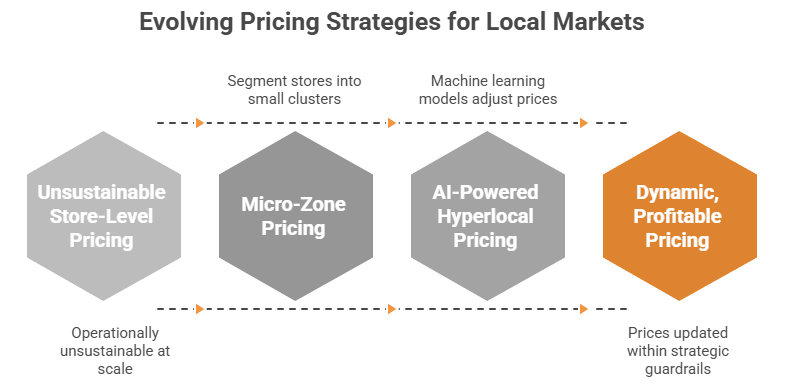
Figure 2: Evolving Pricing Strategies for Local Markets
1. Store-Level Pricing
Under store-level pricing, each outlet’s price list is managed independently. While this recognizes local variation, it is operationally unsustainable at scale.
2. Micro-Zone Pricing
Here, stores are segmented into small clusters — often informed by neighborhood demographics, foot traffic, and local competition. This reduces operational burden while capturing much of the local variance. For example, two stores 2 kilometers apart may be placed in different micro-zones if household disposable income or competitor intensity differs.
3. AI-Powered Hyperlocal Pricing
At the cutting edge, machine learning models ingest real-time and historical data — including local competition, weather patterns, foot traffic, basket composition, and elasticity — to adjust prices at the micro-zone or even individual store level. Prices are dynamically updated within strategic guardrails set by pricing teams, ensuring both profitability and brand integrity.
What Data Drives Hyperlocal Pricing
To operationalize hyperlocal pricing across thousands of locations, retailers must integrate diverse data sources:
● Demographics: Income, household size, and population density inform willingness and ability to pay.
● Foot Traffic & Mobility Data: Patterns of store visits and peak hours influence demand curves.
● Competitive Pricing: Local competitor prices deeply affect cross-shopping and price sensitivity.
● Basket Composition: SKU-level demand and substitution patterns help set relative price points.
● Elasticity Profiles: Understanding how demand changes with price shifts is essential for profitable optimization.
Only with this layered data can AI models tailor prices that reflect local dynamics rather than broad averages.
Real-World Example: Same SKU, Different Optimal Price
Consider a commonly sold item — such as a grab-and-go snack — in two contrasting neighborhoods:
● In a high-income area with limited discount competition, the optimal price may be $15, reflecting consumer willingness to pay a premium for convenience and brand preference.
● In a lower-income micro-zone with intense discount competition, the same SKU may optimally price at $10, reflecting price sensitivity and competitive pressure.
Both prices are optimal when viewed through the lens of local demand elasticity and competitive positioning.
Technology That Enables Hyperlocal Pricing
AI-driven pricing platforms must combine two core capabilities:
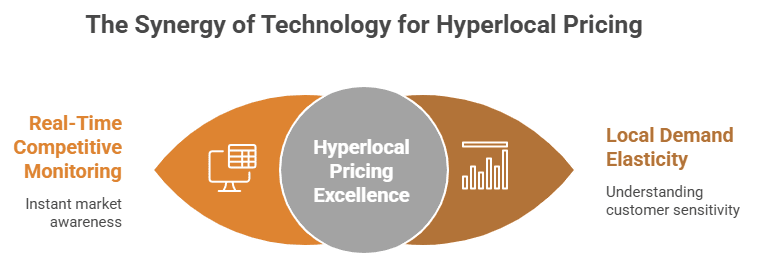
Figure 3: The Synergy of Technology for Hyperlocal Pricing
1. Real-Time Competitive Monitoring
Automated web-scraping and in-market price checks detect competitor price moves as they happen. This is crucial for categories with rapid price churn and local promotional activity.
2. Local Demand Elasticity
Machine learning models ingest sales history and external signals to understand how sensitive local demand is to price changes. This enables pricing that maximizes revenue without sacrificing volume.
Robust hyperlocal pricing requires systems that balance automation with strategic guardrails — placing humans in the loop to define boundaries, approve exceptions, and interpret market events that algorithms alone cannot foresee.
The Human Role in AI-Driven Pricing
AI excels at processing large datasets and identifying subtle patterns, but human strategists remain essential in:
● Setting pricing guardrails to protect brand positioning
● Defining strategic exceptions (e.g., pricing premium in key urban centers)
● Interpreting anomalies and integrating business priorities
This hybrid model — where AI handles execution and continuous optimization, while humans guide strategy — is key to sustainable pricing transformation.
Why Hyperlocal Pricing Works
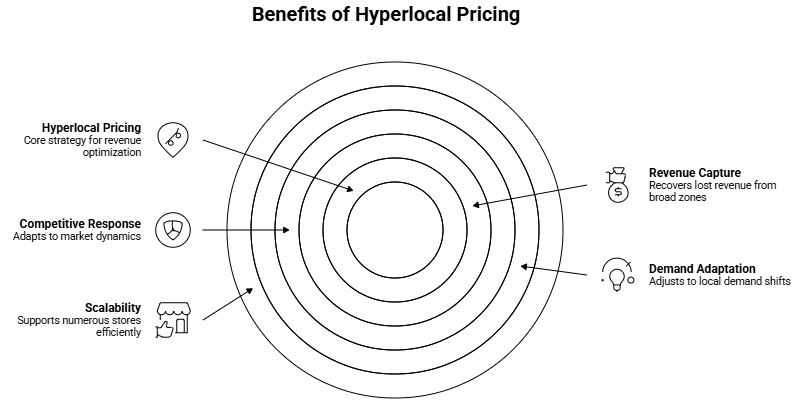
Figure 4: Benefits of Hyperlocal Pricing
● Captures revenue otherwise lost under broad pricing zones
● Responds to real-time competitive dynamics
● Adapts to hyper-local demand fluctuations
● Supports thousands of stores without manual intervention
Importantly, micro-zone pricing is increasingly recognized not just as a theoretical concept, but as a practical strategic necessity for convenience retailers operating at scale.
Conclusion & Call to Action
Retailers optimizing thousands of locations must move beyond blunt zone pricing. Hyperlocal, AI-driven pricing — grounded in real demand, competitive intelligence, and micro-zone segmentation — unlocks hidden value in every store. By combining technology with strategic oversight, retailers can maximize revenue, protect margins, and respond to competitive shifts at scale.
Discover how intelligent pricing at micro-location scale can transform your retail performance — and begin capturing value that traditional models leave behind.