A mainstay of retail for a long time, loyalty programs are intended to promote brand loyalty and repeat business. However, the retail sector is seeing a paradigm shift in the design and implementation of loyalty programs due to the introduction of blockchain technology and NFTs (Non-Fungible Tokens). In addition to improving consumer engagement, these next-generation loyalty programs are completely changing how merchants communicate with their target market.
Integrating NFTs and blockchain into retail loyalty programs is altering customer engagement and retention methods. The following significant market data illustrates this change:
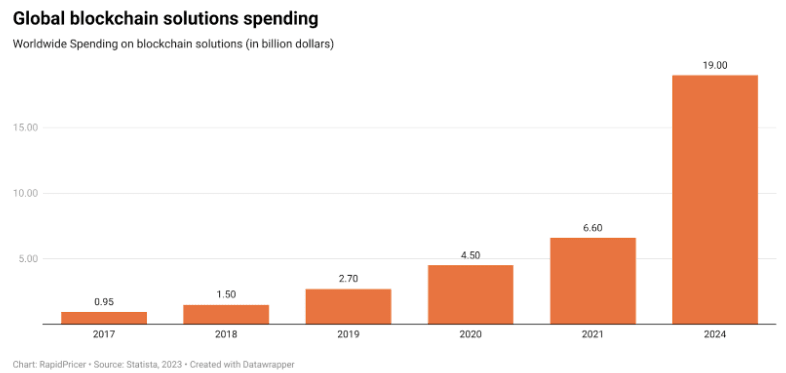
Figure 1: Global blockchain solutions spending
Market Growth and Projections: The global loyalty programs market is experiencing significant growth, with projections indicating it will exceed $24 billion in revenue within the next five years.PYMNTS.com
Consumer Interest in Crypto and NFT Features: According to a 2022 survey, interest in NFTs stayed constant across industries, but 14% of U.S. consumers enrolled in retail loyalty programs indicated interest in adding cryptocurrency features.Statista
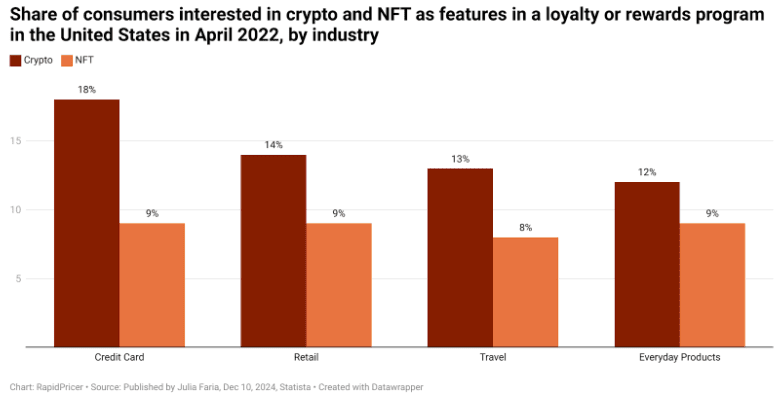
Figure 2: Share of consumers interested in crypto and NFT as features in a loyalty or rewards program in the United States in April 2022, by industry
Strategic Adoption by Brands: To increase consumer loyalty, major businesses are aggressively investigating blockchain and NFT integrations. For instance, Starbucks and Salesforce have developed NFT-powered loyalty programs to boost customer engagement and sales. Business Wire
Enhanced Customer Engagement: By creating distinctive open loyalty ecosystems, blockchain-based NFT loyalty programs aim to boost visibility, partnerships, and teamwork. By improving community interactions and adding value through both online and offline channels, this strategy seeks to increase customer acquisition and retention rates. Info-Tech Research Group
The Evolution of Loyalty Programs
Conventional loyalty programs use prizes, discounts, or points to encourage consumer behavior. Despite their effectiveness, these programs frequently lack long-term client engagement, transparency, and customisation. These constraints are addressed by blockchain and NFTs, which offer security, ownership, and distinctive experiences.
How Blockchain and NFTs are Changing Retail Loyalty Programs
1. Increased Security and Transparency: Blockchain technology guarantees the security and transparency of every transaction made inside a loyalty program. Retailers can reduce fraud and mistakes, and customers may monitor their incentives.
2. Real Ownership of Rewards: NFTs give users the opportunity to possess exclusive digital assets connected to loyalty schemes. These resources may consist of limited-edition digital items, exclusive discounts, or special access to events.
3. Personalized Customer Engagement: NFTs give merchants the ability to provide incredibly personalized incentives. A luxury business might, for example, provide NFT-based users with virtual meet-and-greets with designers or access to behind-the-scenes information.
4. Interoperability: Blockchain enables the transfer or redemption of NFTs or loyalty points between various platforms and companies. For example, a travel company could partner with a retailer, enabling customers to use their loyalty points interchangeably.
5. Gamification: NFTs provide loyalty programs a gamified component. Retailers can design quests or challenges and award customers with NFTs that have exclusive benefits or real-world worth.
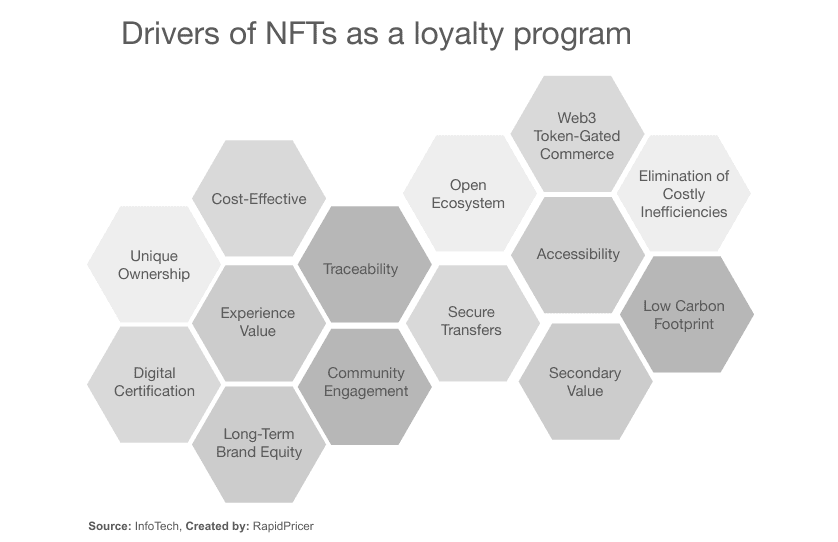
Figure 3: Drivers of NFTs as a loyalty program
Examples of Startups and Retailers Leading the Charge
● Starbucks Odyssey: The company just unveiled its NFT-based loyalty program, which gives users access to exclusive events and prizes in the form of digital collecting stamps. You can exchange or redeem these stamps for special benefits.
● Nike's RTFKT: Nike purchased RTFKT, a business that specialized in virtual goods and NFTs. Nike is using this collaboration to develop unique NFT-based sneakers and loyalty programs that appeal to tech-savvy customers.
● Loyal: Retailers may use NFTs and cryptocurrencies to establish customizable, interoperable loyalty programs with Loyal, a blockchain-powered loyalty startup.
● Sweet.io: This platform assists companies in developing NFT-based loyalty awards that may be given to consumers in exchange for their online interactions or purchases.
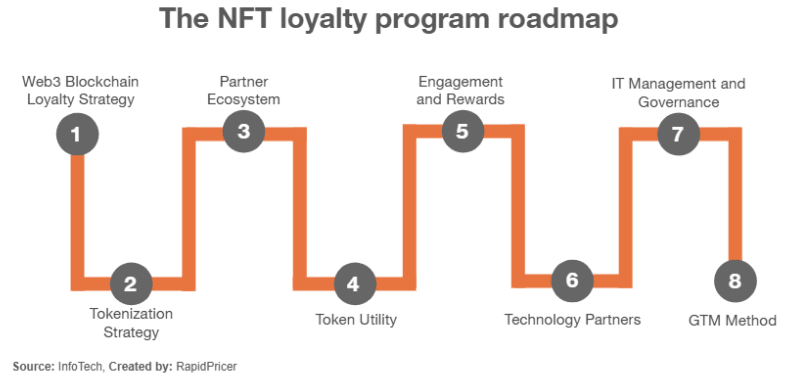
Figure 4: The NFT loyalty program roadmap
What Retailers Should Be Doing
1. Examine Blockchain Technology: Stores should consider how blockchain technology can improve their current loyalty schemes. You may speed up this process by collaborating with blockchain startups.
2. Leverage NFTs for Exclusivity: Retailers can capitalize on the rising demand for distinctive digital assets by providing NFTs as rewards. These NFTs may be connected to limited-edition goods, VIP events, or special deals.
3. Put Interoperability First: Collaborate with other companies to establish a network of rewards that are compatible with one another. This can expand the scope of reward programs and increase consumer value.
4. Educate Customers: Retailers need to make an investment in teaching their customers how to use and reap the benefits of blockchain and NFTs, as these technologies are still relatively new to many.
5. Try New Things and Be Creative: Retailers shouldn't be afraid to try community-driven rewards and gamification. For instance, developing games or competitions based on NFT might boost consumer involvement.
Challenges and Considerations
While the potential of NFTs and blockchain in loyalty programs is great, businesses must negotiate hurdles such as:
● Environmental Concerns: Blockchain systems can be energy-intensive. Retailers should consider eco-friendly options like Layer 2 solutions or carbon offsets.
● Regulatory Compliance: Retailers must make sure that local laws are followed because blockchain and NFTs operate in a gray area of regulation in many nations.
● Customer Adoption: In order to achieve broad adoption, it is essential to educate clients and streamline the onboarding procedure.
Conclusion:
Next-gen loyalty programs powered by NFTs and blockchain are transforming the retail landscape, offering unprecedented levels of personalization, transparency, and customer engagement. Retailers can stand out from the competition and create deeper, more meaningful relationships with their customers by utilizing these tools. As early adopters like Starbucks and Nike show the way, the future of loyalty programs appears both hopeful and exciting. Retailers who act now stand to gain a competitive edge in this rapidly evolving market.
Read More On
● The Age of the "Silent Checkout": Eliminating Traditional POS with Invisible Payments
● Voice Commerce: How Smart Assistants are Redefining Retail Shopping
● Hyper-Personalization in Quick Commerce: The Next Frontier for Retail Pricing
● Retail Revolution: The Impact of Labor Economics and Technology on Global Shopping Trends
About RapidPricer
RapidPricer helps automate pricing and promotions for retailers. The company has capabilities in retail pricing, artificial intelligence, and deep learning to compute merchandising actions for real-time execution in a retail environment.
Contact info:
Website:
LinkedIn:
Email: info@rapidpricer.nl