
Dynamic pricing has gained popularity across several industries because it allows businesses to instantly modify prices in response to demand, market conditions, and consumer behavior. Although both consumers and corporations can benefit from dynamic pricing, moral issues must be resolved. Without assigning blame, we will examine the morality of dynamic pricing in this piece and stress the significance of upholding equity in pricing procedures.
Dynamic pricing: What is it?
With dynamic pricing, companies modify the cost of their products or services based on current variables, including supply, demand, geography, and even consumer behavior. It is frequently utilized in sectors like hospitality, transportation, and e-commerce. Here are some instances of dynamic pricing:
● Online merchants modify rates according to consumer profiles and browsing habits.
● Ride-sharing services, when prices increase in inclement weather or during busy hours.
● Airline tickets, the cost of which varies according to demand and booking time.
Dynamic pricing creates ethical questions when applied improperly even though it might help manage demand and optimize revenue.
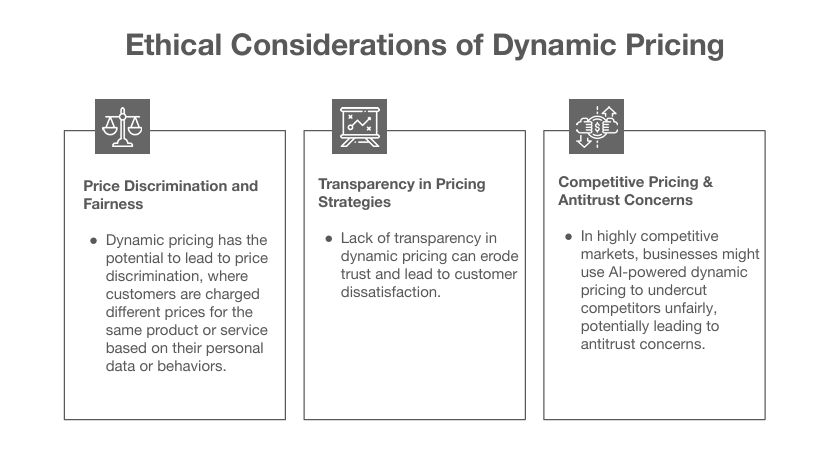
Figure 1: Ethical Considerations of Dynamic Pricing
Table: Elements Influencing Dynamic Pricing Adjustments
| | | | | :-: | :-: | :-: | | **Factor Category** | **Specific Factor** | **Influence on Dynamic Pricing** | | **Demand and Supply Dynamics** | Current Demand | Adjust prices based on real-time demand. | | Supply Availability | Set prices according to market supply levels. | | | **Competitor Pricing** | Competitor Actions | Align prices in response to competitors' changes. | | Price Wars | Strategically respond to aggressive competitor pricing. | | | **Time and Seasonality** | Time of Day/Week | Offer discounts or premiums at specific times. | | Seasonal Trends | Adjust prices for season-specific demand changes. | | | **Historical Data and Trends** | Historical Sales | Use past sales to inform future pricing strategies. | | Market Trends | Anticipate demand with trend analysis for proactive pricing. | | | **Customer Behavior and Data** | Customer Segmentation | Apply differential pricing for distinct customer groups. | | Willingness to Pay | Consider individual price tolerance for personalized pricing. | | | **External Events** | Economic Factors | Reflect broader economic changes in prices. | | Local Events | Adapt prices to local demand surges or dips. | | | **Inventory Levels** | Overstock and Understock | Manage inventory with price incentives or premiums. | | **Operational Costs** | Cost Fluctuations | Pass on cost changes to pricing where appropriate. | | **Regulatory and Legal Constraints** | Pricing Regulations | Ensure compliance with pricing laws and guidelines. | | **Technology and Tools** | Advanced Algorithms | Employ sophisticated software for pricing accuracy. | | Real-Time Data | Utilize up-to-the-minute data for informed decisions. | |
Dynamic Pricing and Ethical Issues
1. Manipulation according to the circumstances: Taking advantage of customers depending on situational conditions is one of the most prevalent ethical issues. Consider a situation where a business abruptly raises the price of a bottle of water just because it's hot outside. Whether it feels fair to the customer is the point of contention here, not whether it is permitted by law. When individuals believe they are forced to pay exorbitant costs during certain situations, such as a heatwave, such pricing practices might give the impression that they are being taken advantage of.
Likewise, there have been allegations of businesses changing rates according to the battery level of a customer's mobile phone. According to the theory, someone who is running short on battery would feel pressured to buy something right away, possibly at a greater cost. When companies take advantage of weaknesses to boost their profit margins, it creates an ethical conundrum.
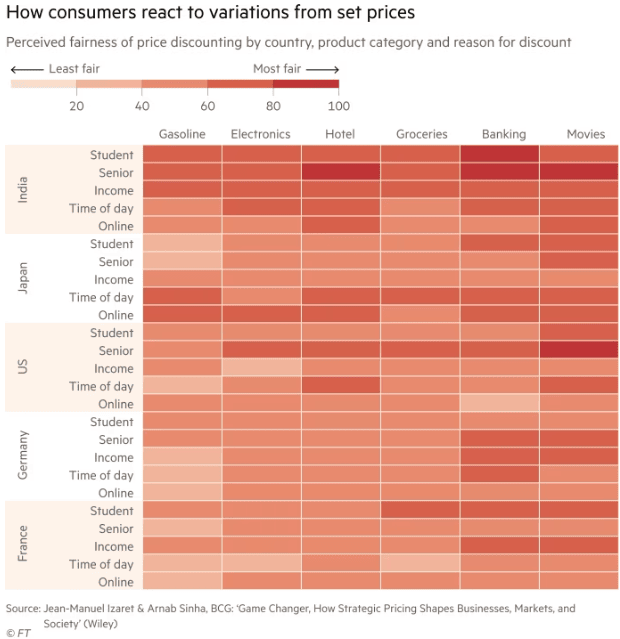
Figure 2: How Consumers React to Variation from Set Prices
2. Price Differentiation Based on Devices: Online sites that charge varying charges depending on the type of gadget being used are another frequently mentioned example. For example, users who browse on high-end equipment, such as Mac laptops, might see more expensive items than users of standard PCs. Customers may feel that pricing differentiation is unjust in this additional grey area. Although businesses may contend that this pricing strategy is founded on market segmentation, customers frequently perceive it as discriminating, which breeds mistrust.
3. Insufficient transparency: The lack of transparency in dynamic pricing is one of the main ethical problems. Confusion and irritation may result from consumers' incomplete understanding of the reasons behind price fluctuations. When consumers believe they are being controlled because of circumstances beyond their control, such as their browsing history, location, or time of day, a lack of openness can lead to mistrust.
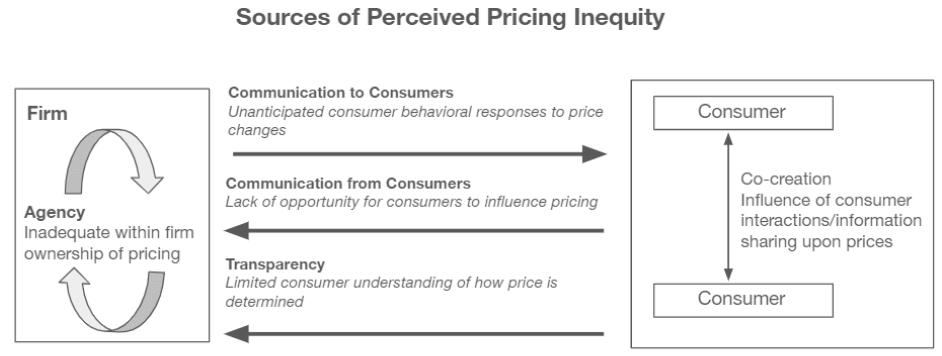
Figure 3: Sources of Perceived Pricing Inequity (*Source: Journal of Business Research*)
The model in Figure 3 illustrates how dynamic pricing leads to perceived disparities among stakeholders and between the company and its clients. To comprehend these disparities, one must consider customer concerns and acknowledge that intricate stakeholder interactions both inside and outside the company impact marketing decisions. This method is increasingly being used in marketing and management plans.
Ethical Dynamic Pricing's Significance
Although dynamic pricing is not intrinsically immoral, its use may be. Instead of exploiting weaknesses or situations, businesses should aim for pricing strategies that benefit both the company and the client. Businesses should adhere to a few fundamental guidelines in order to sustain moral pricing practices:
● Fairness: Customers should think that prices are reasonable. Even if the price change is lawful, the company may nevertheless receive negative feedback and reputational harm if a customer feels taken advantage of.
● Transparency: It's critical to explain to clients the reasons for price changes. Customers will be more understanding if they understand why an item's price has changed; a transparent pricing structure fosters trust.
● Avoid Exploitation: Pricing tactics shouldn't exploit the short-term requirements or vulnerabilities of a customer. Businesses should refrain from actions that take advantage of consumers, such as increasing the cost of necessities in times of emergency or changing prices based on personal information.
RapidPricer's Dynamic Pricing Practices
RapidPricer is a firm believer in the proper and moral use of dynamic pricing. We don't immediately boost prices in response to market conditions, as in the aforementioned situations. Rather, we emphasize the use of dynamic pricing to provide discounts and benefits, especially to minimize food waste or unsold items.
Our pricing strategies are made to offer value without sacrificing morals, maximizing the gain for both the store and the consumer. For example, by lowering the prices of perishable commodities that would otherwise go unsold, our automated pricing systems attempt to reduce waste. This gives consumers access to reasonably priced options and enables retailers to sell goods while they are still fresh.
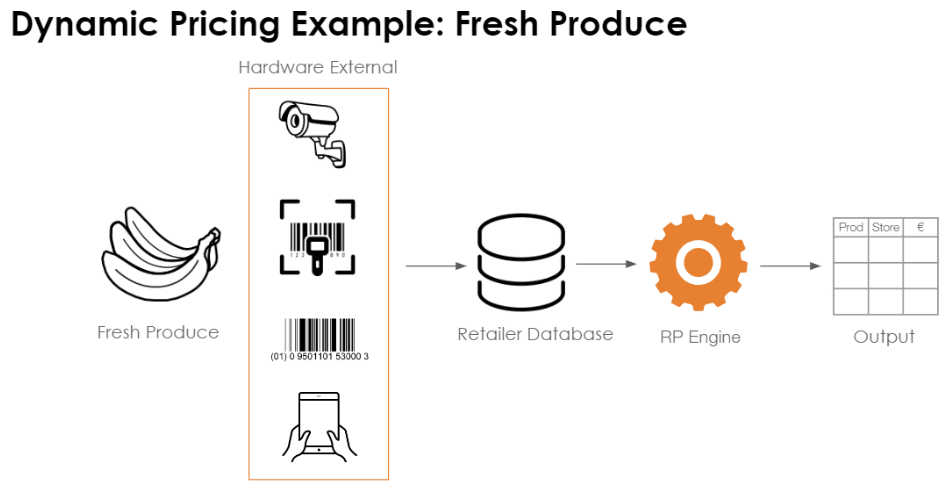
Figure 4: RapidPricer’s Dynamic Pricing Example for Fresh Produce
Avoiding Mistakes: What Businesses Can Discover
Businesses must make sure that their procedures are morally righteous and customer-focused while putting dynamic pricing techniques into operation. Businesses can gain insight from the difficulties in dynamic pricing ethics in the following ways:
1. Avoid abusing urgent needs: In order to preserve public confidence, businesses should refrain from raising prices when demand is strong (for example, during crises or natural catastrophes).
2. Avoid pricing based on personal information: Using personal information to change prices can come across as intrusive and prejudiced. Pricing schemes that target clients based on their geography, device kind, or financial position should be avoided.
3. Preserve equity for all: No client segment should be alienated by dynamic pricing. Reasonable and transparent market reasons, not the perceived ability to pay more, should be the basis for price adjustments.
Conclusion
Businesses can benefit greatly from dynamic pricing, but it must be used carefully and ethically. Companies have the chance to employ dynamic pricing for good, enhancing customer experience, cutting waste, and increasing profitability, while instances of unethical behavior demonstrate what not to do. Long-term company success is ensured by ethical dynamic pricing, which also increases consumer loyalty and fosters trust.
In order to give our consumers the best deal without sacrificing justice, we at RapidPricer are dedicated to upholding the highest ethical standards in our pricing procedures. After all, ethical business practices are not only required by law, but they are also essential to long-term success.
Read More On
Using AI and Gen AI to Revolutionize Customer-Level Pricing in B2B
Real-Time Pricing Solution Fit by Region and Retailer Type
Standardization of Retail Pricing Best Practices with Technology
AI-Powered Consumer Personalization
About RapidPricer
RapidPricer helps automate pricing and promotions for retailers. The company has capabilities in retail pricing, artificial intelligence, and deep learning to compute merchandising actions for real-time execution in a retail environment.
Contact info:
Website:
LinkedIn:
Email: info@rapidpricer.nl