
A major force in the world economy, the retail sector is expected to grow from its 2022 valuation of $26 trillion to $30 trillion by 2025 (Statista). However, even though there are many prospects for retail expansion, there are also many rules that differ greatly from one nation to another. The success of a shop can be determined by a variety of market-specific regulations, ranging from stringent operation hours to environmental regulations and price limits.
Comprehending the various regulations is not only a legal requirement but also a competitive advantage for companies aiming to grow globally. Conformance guarantees seamless operations, cultivates customer confidence, and assists businesses in avoiding expensive fines. The history, economic policies, and cultural values of a nation have a significant impact on retail legislation, therefore international retailers must modify their business plans accordingly.
The most distinctive and significant retail laws in the world will be discussed in this article, along with tips on how companies can work around them to succeed in a variety of regions.
1. Sunday Shopping Restrictions
Whether or not retailers can operate on Sundays is one of the most obvious variations in retail legislation.
● Due to stringent laws, most stores in Germany, France, and Austria are closed on Sundays.
● Stores are permitted to open only a few Sundays in Norway and Poland due to partial restrictions.
● Sunday shopping is permitted in the UK and Spain, but only during certain hours.
● In nations like the US, Canada, and Sweden, there are no such limitations, and businesses continue to function normally.
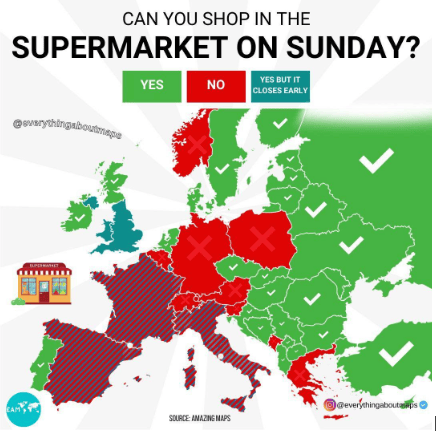
Figure 1: Can you shop in the supermarket on Sunday?
2. Alcohol Sales Regulations
Another area where retail restrictions vary greatly is the sale of alcohol:
● Sweden: Only government-run stores (Systembolaget) sell spirits, and alcohol sales are strictly regulated.
● States in the US have different laws governing the selling of alcohol; some have "dry" counties where such sales are not allowed.
● Germany and France: There are fewer restrictions and easy access to alcohol in supermarkets.
● Sales of alcohol are strictly prohibited in Saudi Arabia and Kuwait.
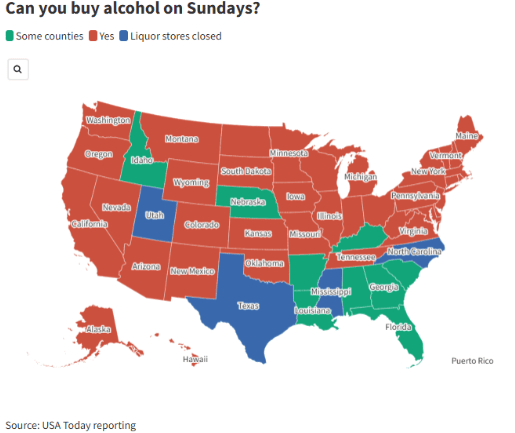
Figure 2: Alcohol laws vary from state to state in the US
3. Discount and Promotion Restrictions
In retail strategies, discounts and promotions are essential since they increase customer traffic and revenues. The laws that control these behaviors, however, varied greatly between nations. While some countries give retailers complete control over pricing and promotional activities, others place strict restrictions on when and how discounts can be given. Businesses that operate in multiple markets must comprehend these distinctions.
| | | | | :-: | :-: | :-: | | **Category** | **Country** | **Restrictions** | | **Regulated Sales Periods** | France | Fixed sales periods in January (winter sales) and July (summer sales). Discounts outside these periods are prohibited unless liquidating stock. | | Belgium | Strict sales periods during winter and summer. | | | Italy | Regulated discounting seasons, preventing arbitrary promotional events. | | | **Minimum Pricing Laws** | Germany | Fixed book price laws prevent books from being sold at discounts, ensuring price uniformity across retailers. | | France | Discounts on prescription drugs and books are heavily regulated. | | | India | E-commerce platforms (e.g., Amazon, Flipkart) cannot offer deep discounts through exclusive brand partnerships. | | | **Loss-Leading Discount Restrictions** | United Kingdom | Loss-leader pricing is restricted in some sectors, especially grocery retail. | | France | Selling below cost is illegal except for perishable goods close to expiration. | | | South Korea | Large retailers cannot offer excessive discounts to protect small businesses and traditional markets. | | | **BOGO and Loyalty Program Restrictions** | Canada (Quebec) | Strict rules on BOGO promotions require transparent pricing. | | China | Regulations on loyalty points and cashback promotions to prevent misleading advertising. | | | India | Competition Commission reviews cashback offers and deep discounting for potential anti-competitive behavior. | | | **Digital Promotions and Online Discounts** | European Union | Online retailers must display original prices before showing discounts. | | United States | False discounting (e.g., inflating original prices) is subject to consumer protection laws. | | | Brazil | Stricter rules on online promotions after complaints of deceptive discounts, especially during Black Friday. | | | **Advertising Promotion Restrictions** | United Kingdom | The Advertising Standards Authority (ASA) enforces rules against misleading discount claims. | | Australia | The Australian Competition and Consumer Commission (ACCC) monitors discount advertisements for false claims. | | | Japan | False advertising of discounts results in severe penalties under consumer protection laws. | | | **Industry-Specific Promotion Restrictions** | Pharmaceuticals (Germany, US) | Discounts on prescription medications are prohibited to maintain fair pricing. | | Alcohol (Sweden, Canada) | Heavy regulations govern alcohol promotions; some countries ban discounts entirely. | | | Tobacco (EU, Various) | Strict restrictions on promotions and discounts to discourage consumption. | |
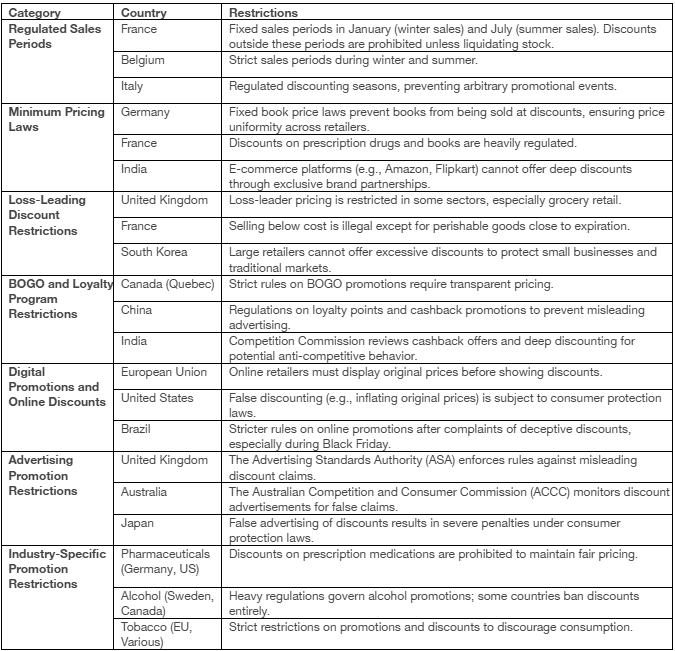
Figure 3: Discount and Promotion Restrictions
4. Plastic Bag Bans and Sustainability Laws
Additionally, retailers must comply with certain environmental regulations:
● Retail establishments in France, Kenya, and Rwanda are strictly prohibited from using single-use plastic bags.
● Germany: Retailers must adhere to stringent recycling regulations and charge for plastic bags.
● United States: States have different laws; for example, California has banned plastic bags, whereas other states have none at all.
5. Payment Methods and Cashless Retailing
Globally, there are additional differences in how people pay for their purchases:
● Sweden: The majority of payments are made via cards or smartphone apps like Swish, and many stores don't accept cash.
● Japan: Many traditional stores do not take credit cards, and cash is still utilized extensively there.
● India: The use of cash has decreased due to the growth of digital payments brought about by UPI (Unified Payments Interface).
6. Price Tag Regulations
Certain nations have stringent regulations regarding the display of prices:
● European Union: Retailers are required to add VAT in the price that is shown.
● United States: Sales tax is added at checkout and is frequently not shown in prices.
● Argentina: Because of the country's high rate of inflation, prices must be displayed in both cash and credit choices.
7. Store Size and Location Regulations
● United Kingdom: Before being constructed, supermarkets must comply with stringent zoning regulations.
● Japan: Convenience stores, or konbini, are very prevalent in cities because they are permitted to operate in small places.
● Brazil: Retail is heavily reliant on street sellers and small kiosks, with local regulations differing.
Conclusion:
When operating in numerous countries, retail enterprises have to traverse a complex web of restrictions. Complying with regulations and entering the market successfully require an understanding of these distinctions. Every nation's retail regulations, from pricing laws to sustainability guidelines, are a reflection of its own legal, cultural, and economic environments. Retailers must keep up with changing legislation as globalization progresses to preserve their competitiveness and global customer trust.
Read More On
● The Dark Side of Dynamic Pricing: Unintended Consequences and Consumer Backlash
● Innovation in Retail: The Key to Thriving in a Changing Market
● Retail in the Crossfire: Preparing for the Next Trade War
● Geo-Fencing and Personalized Discounts: Driving Foot Traffic with Location-Based Marketing
● E-Waste and Retail Electronics: Strategies for a Greener Tomorrow
About RapidPricer
RapidPricer helps automate pricing and promotions for retailers. The company has capabilities in retail pricing, artificial intelligence, and deep learning to compute merchandising actions for real-time execution in a retail environment.
Contact info:
Website:
LinkedIn:
Email: info@rapidpricer.nl